

Hair PRP: Why Results Vary from Person to Person
A clinical study demonstrated that a rigorous protocol can increase the average number of follicles from 71 to 93 units per treated area. Yet, despite this scientific evidence, you may find that your hair density is not progressing at the expected rate.
This difference is often due to individual biological factors or an initial diagnosis that did not fully assess the viability of your hair follicles.
We will analyze the key factors that influence PRP hair results in order to help you optimize the effectiveness of your treatment protocol.
This article explores the key factors that can help optimize your treatment and support visible, lasting hair regrowth.
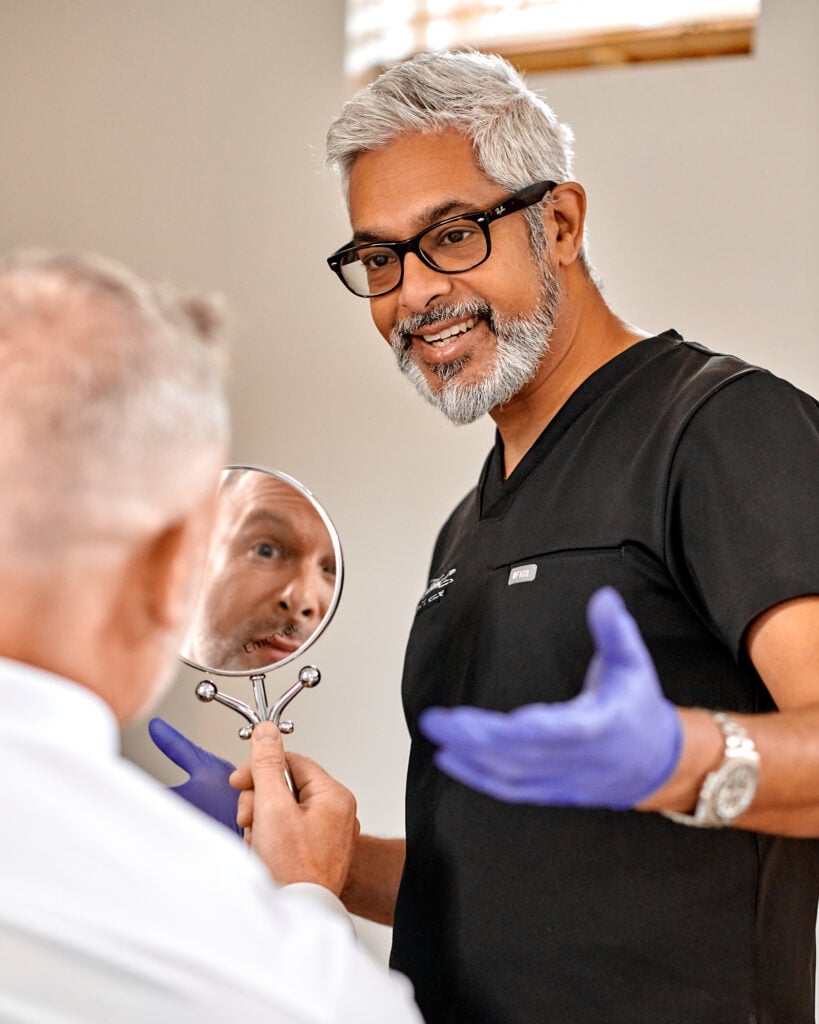
PRP: An Amplifier, Not a Creator
Hair PRP relies on your own platelet concentration and the viability of your hair follicles. Results can vary depending on age, the stage of hair loss and the technique used, making a medical assessment an essential first step. This treatment provides biological support to help revitalize your hair.
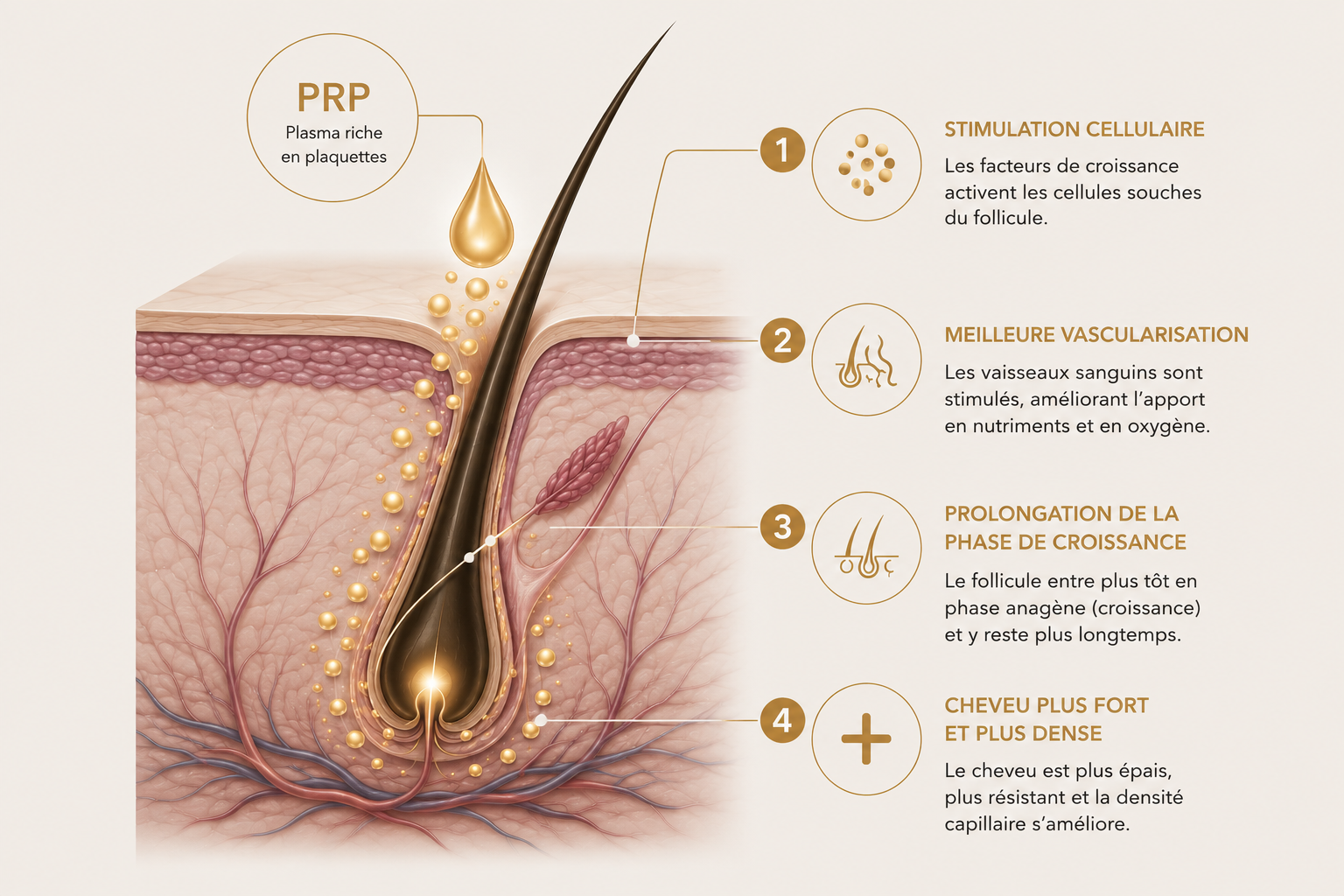
The Biological Mechanism of Platelet-Rich Plasma
The process begins with a blood draw followed by high-speed centrifugation to isolate the platelets. This purified concentrate actively supports scalp vascularization. You can learn more about our PRP hair treatment to better understand this technology.
Platelet-rich plasma acts on hair follicles that are still active. If the follicles are no longer viable, they cannot respond to the biological signals provided by PRP.
The growth factors released stimulate local vascularization. They thereby promote an optimal supply of essential nutrients to the hair roots.
Active hair follicles are essential for PRP to support the natural hair growth process.
Factor 1: The Right Diagnosis, at the Right Time
Before beginning treatment, it is essential to understand the underlying cause of your hair loss, as every case is different.
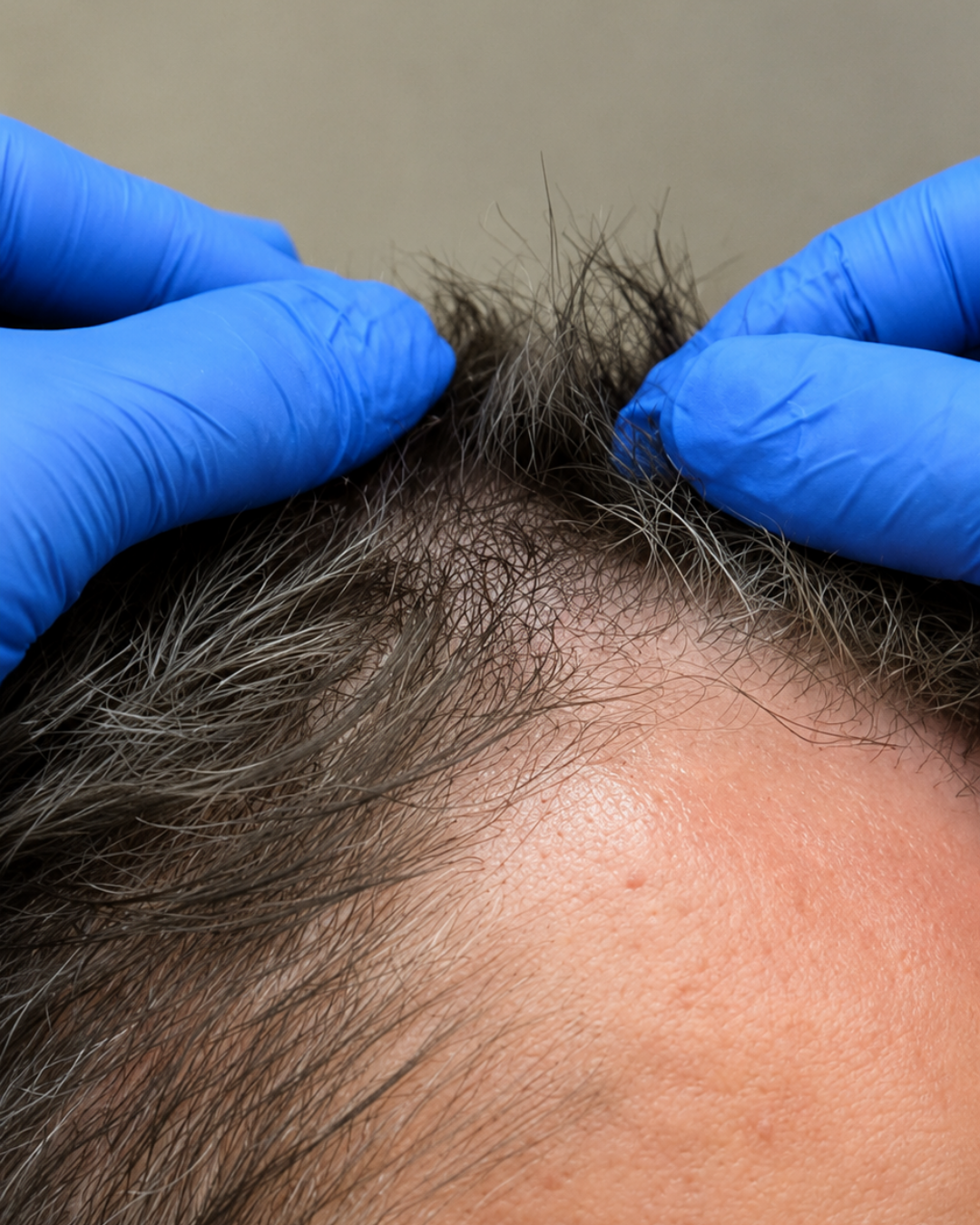
Identifying the True Cause of Hair Loss
It is essential to distinguish androgenetic alopecia from telogen effluvium. PRP does not address the underlying hormonal causes related to DHT. A precise evaluation of your situation remains the first step.
PRP can help improve hair density in thinning areas by stimulating existing hair follicles. However, it cannot regrow hair in areas where the follicles are no longer active. Consult the data on PRP success rates for more details.
Intervening early in the miniaturization process is fundamental to achieving results. We must act before the follicle disappears entirely.
Two patients of the same age may respond differently depending on the stage and cause of their hair loss. Your individual biology also influences your response to treatment.
Factor 2: Your Biology (PRP Is You)
Beyond the diagnosis, the quality of the PRP itself depends directly on your own biology.
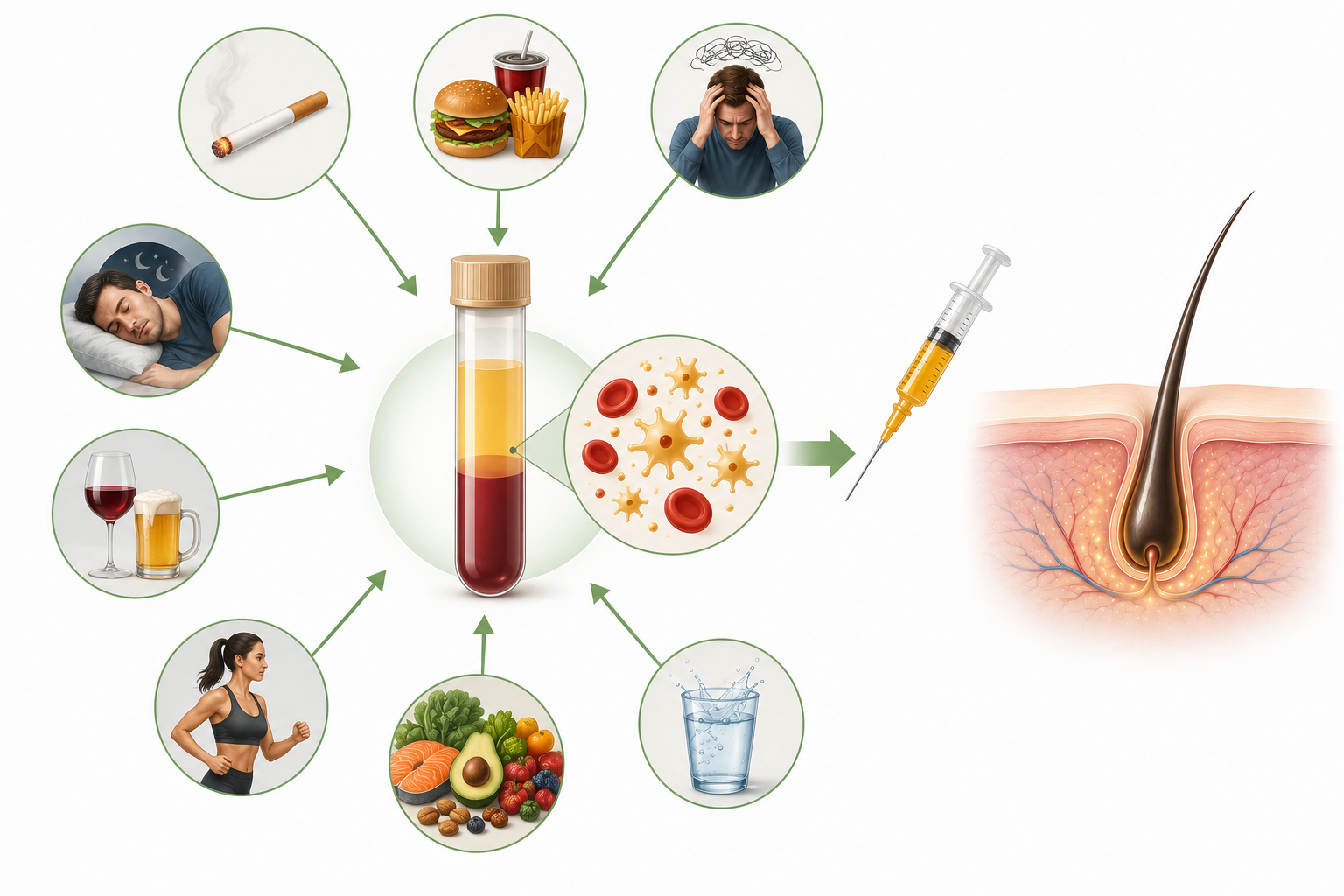
How Your Health Can Influence PRP Quality
PRP is an autologous treatment, meaning it is prepared from your own blood. Platelet concentration can vary depending on factors such as age, overall health and lifestyle. Your individual biology can therefore influence the quality of the PRP and your response to treatment.
Treatment outcomes can also depend on your individual regenerative capacity.
- PRP does not create new hair follicles. It uses your own platelets and growth factors to support the activity of existing follicles.
This fundamental principle explains why each experience remains unique.
Note that platelet concentration can vary from one session to the next in the same individual. Your physiological state at any given moment influences the composition of your plasma.
This natural biological variability helps explain why PRP results can differ from one person to another.
Factor 3: Preparation and Technique
Your individual biology matters, but the way PRP is prepared and administered also plays an important role.
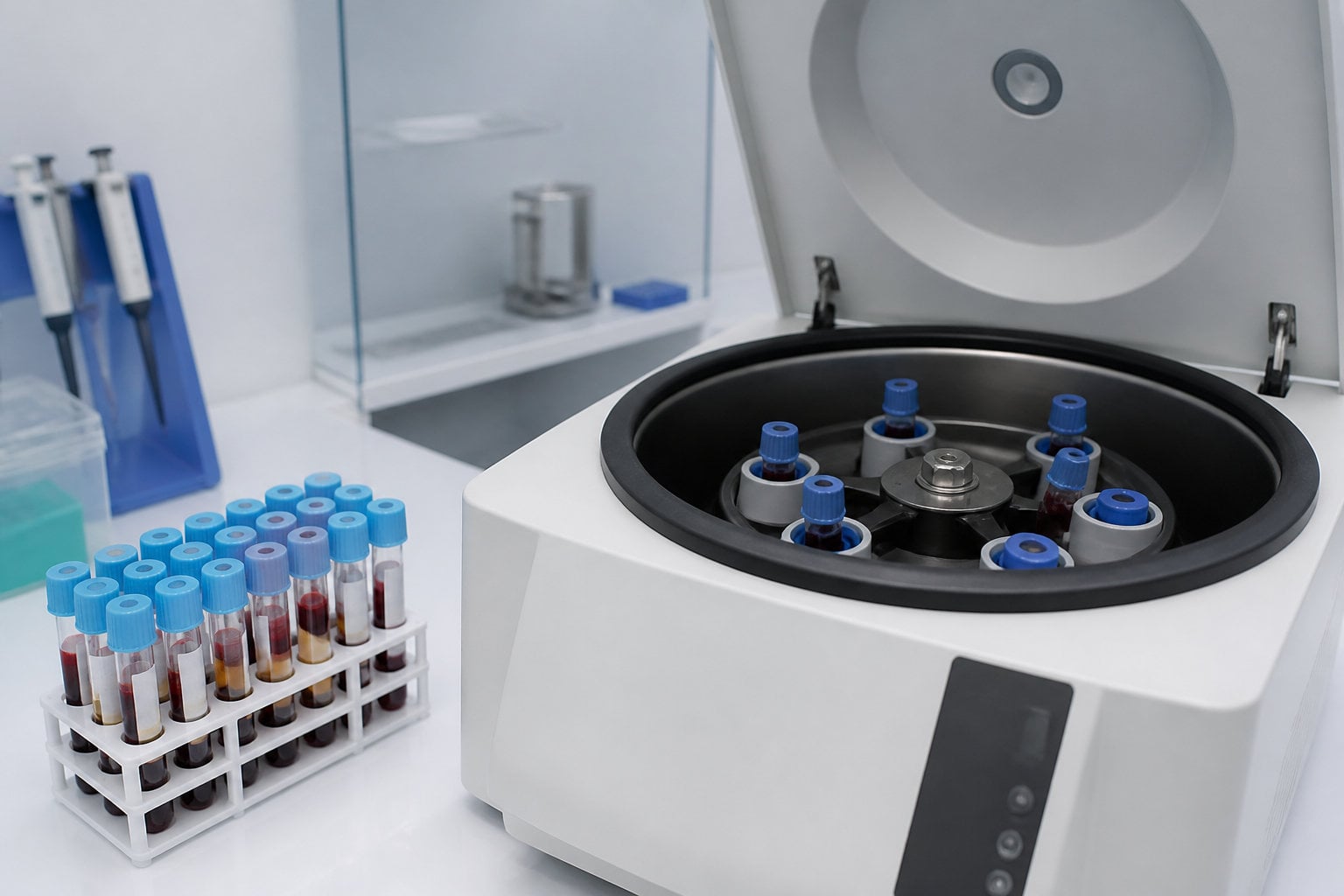
The Importance of the Centrifugation and Application Protocol
Not all centrifugation systems are equal. The final concentration of growth factors varies. The preparation method can influence the concentration and quality of the PRP used for treatment.
Combined with When combined with microneedling, controlled microchannels are created in the scalp to support the treatment process and the skin’s natural repair response.
These studies on hair PRP highlight the importance of precision. The use of fine needles targets hair follicles exactly. Injection depth and technique can influence the effectiveness of the treatment.
A rigorous medical framework ensures optimal plasma preparation. Your safety remains our absolute priority.
Factor 4: Number of Sessions and Maintenance
Perfect technique is not enough if consistency is not maintained.
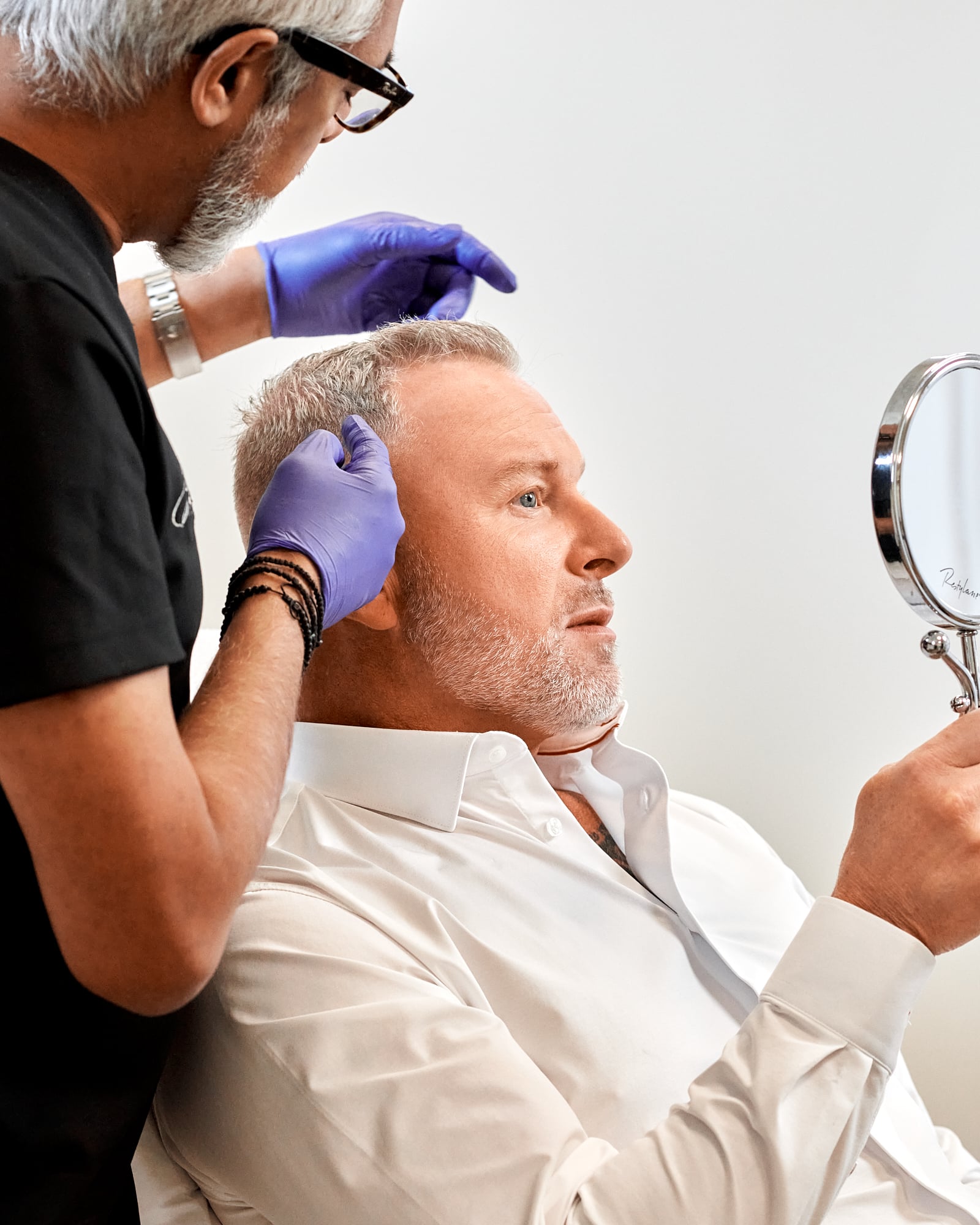
The Treatment Schedule for Lasting Results
PRP typically begins with a series of initial treatment sessions. We typically begin with three closely spaced sessions to initiate the biological response.
Spacing sessions several weeks apart allows the follicles time to respond between treatments.
The effects of PRP are cumulative but not permanent. Maintenance sessions may be recommended to help support and maintain results over time. We often recommend upkeep every six to twelve months depending on your profile.
Stopping treatment too early can lead to disappointing results. Consistency is important, as visible improvements in hair density take time.
A personalised assessment helps define your budget based on the number of sessions required to meet your goals.
Factor 5: PRP as Part of a Personalized Hair Treatment Plan
To maximise gains, PRP benefits from being integrated into a broader strategy.
Therapeutic Synergies in Hair Medicine
For some types of hair loss, PRP may be more effective when incorporated into a broader treatment plan. Depending on the patient, combining complementary treatments may help support overall follicle health.
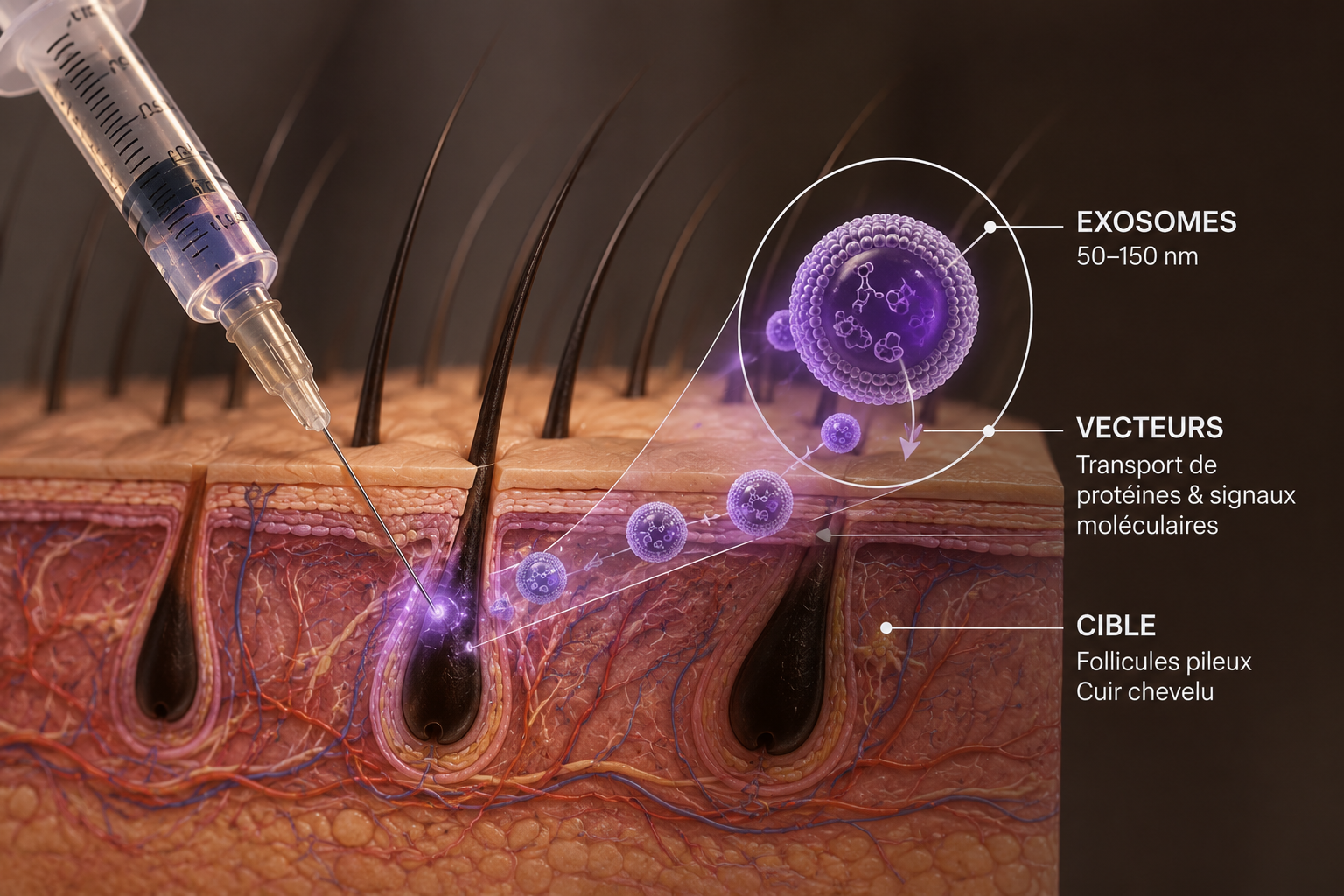
In some cases, PRP may be combined with exosome-based treatments as part of a personalized approach. This combination is intended to support the scalp environment and address hair loss from multiple angles.
You can explore the nuances between these technologies by consulting our PRP vs exosomes analysis. This detailed comparison will help you choose the right protocol.
A personalised plan avoids half-measures. Your biological profile deserves a tailored approach.
Have You Already Tried PRP Without the Results You Hoped For?
If your past experience was disappointing, it is worth objectively analysing the reasons.

Why Some Patients Say They Were Disappointed With PRP
PRP amplifies your own biological signal. However, this treatment requires a rigorous medical framework and a receptive biology to deliver a notable improvement in your hair density.
- If you did not achieve the results you expected with PRP, factors such as timing, treatment protocol and your individual biology may have influenced the outcome.
Unrealistic expectations for a completely bald area often lead to frustration. The initial diagnosis may have been incomplete. Without active follicles, platelet stimulation unfortunately remains without visible effect.
The absence of a standardised protocol also explains the variability in outcomes. To better understand this journey, you can read this PRP testimonial. Each profile requires a specific approach.
Limited results do not necessarily mean that PRP is unsuitable for you. The treatment plan, timing and underlying cause of hair loss should all be reassessed.
A Personalized Approach for More Consistent Treatment
For patients seeking additional regenerative options, exosome-based treatments may be incorporated into a personalized treatment plan.
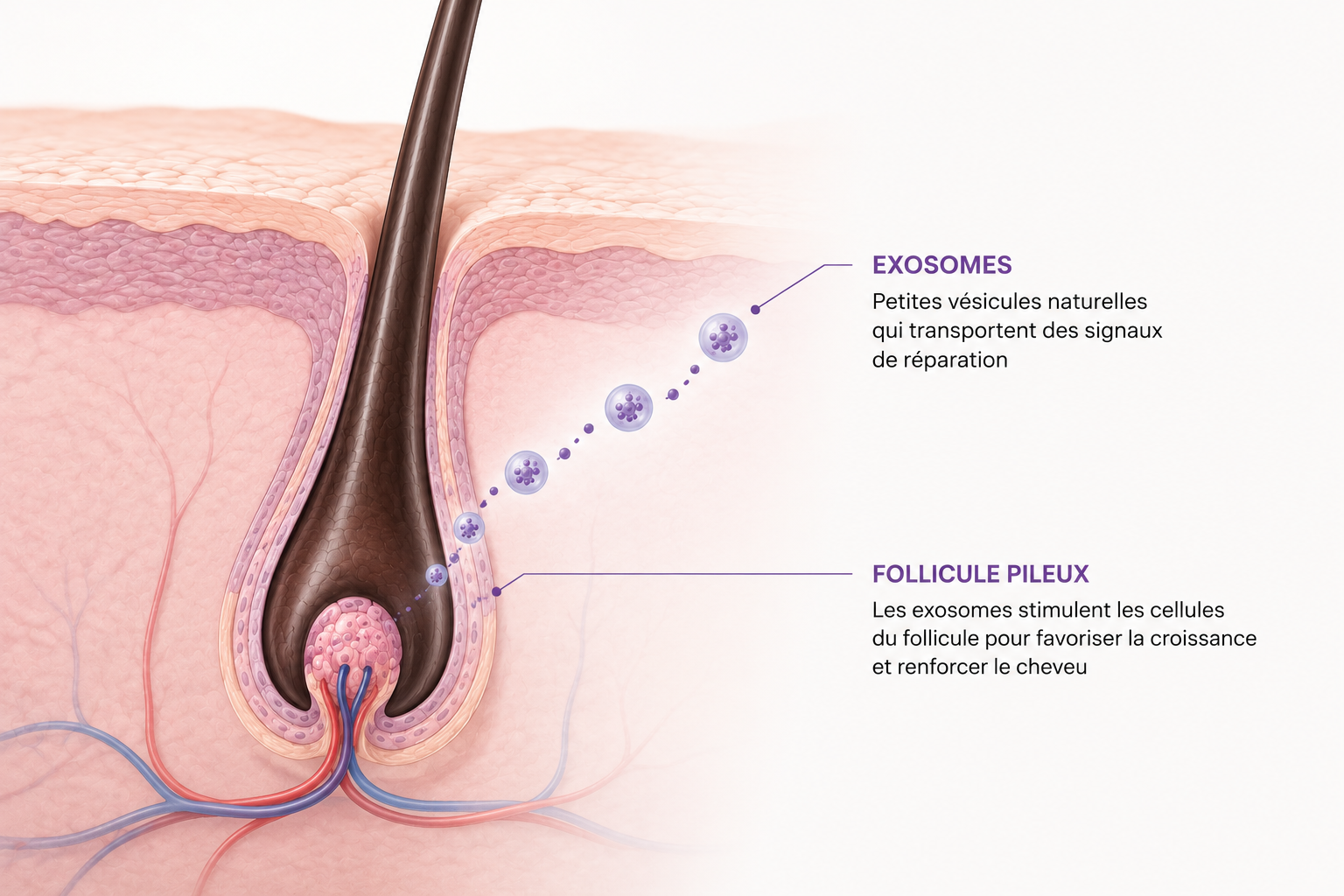
The Role of Exosomes and Bio-Regeneration
Exosomes provide standardized biological signaling and, unlike PRP, are not prepared from the patient’s own blood. Their formulation is therefore not dependent on the patient’s platelet concentration at the time of treatment.
This approach aims for a more predictable response. The growth signal is reproducible from one session to the next. You therefore benefit from greater protocol rigour. The stability of the active molecules supports better therapeutic planning.
- Cellular signaling: supports communication involved in follicle activity.
- Standardized formulation: provides greater consistency between treatments.
- Complementarity: possible synergy with autologous plasma.
Clinical data continues to evolve. Medical caution remains warranted despite the promising results observed. A rigorous assessment remains essential before any treatment. We closely follow the latest scientific publications to advise you.
Are You a Good Candidate for Hair PRP?
Determining whether this treatment is right for you requires a thorough analysis of your scalp.
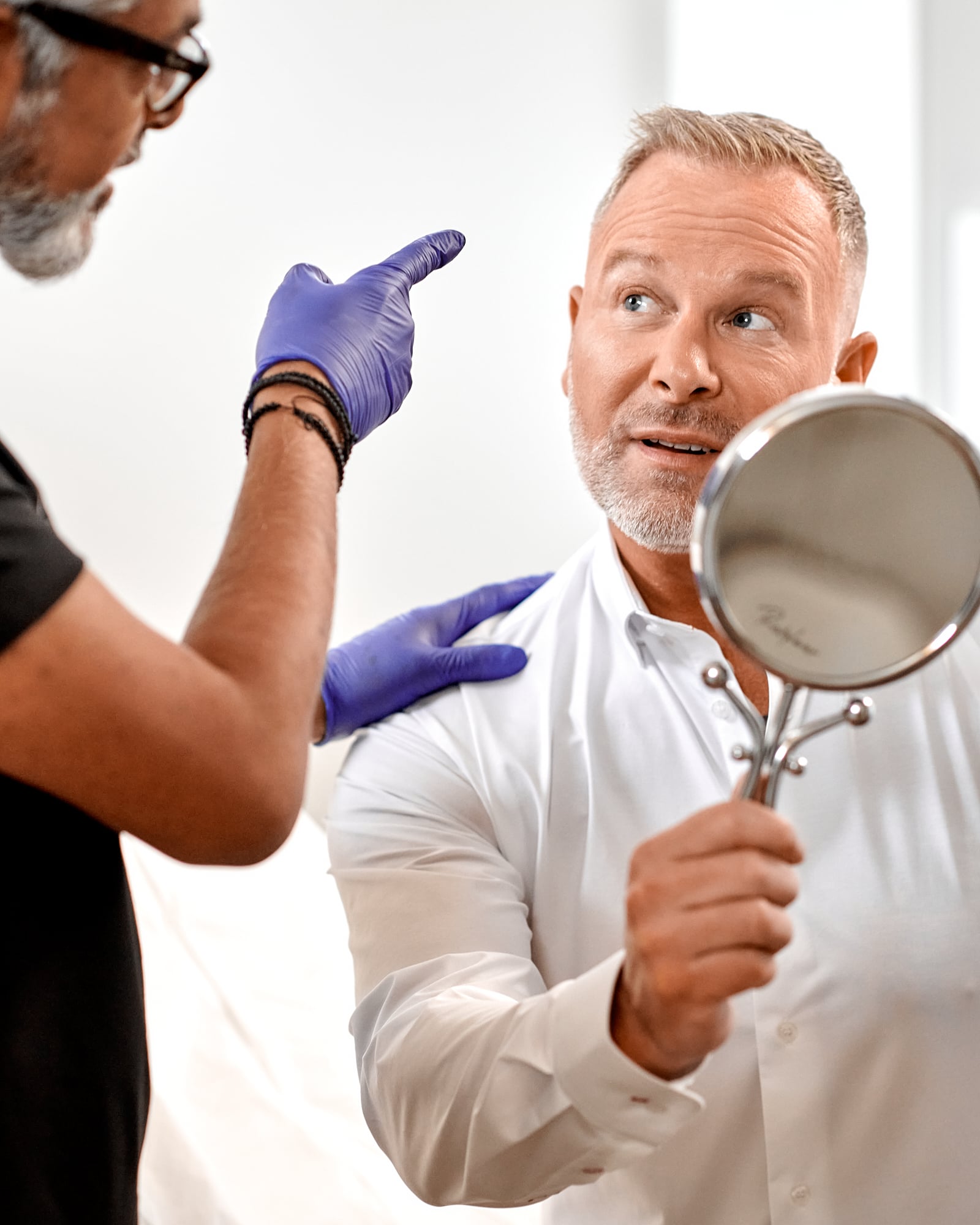
Eligibility criteria for an effective treatment
PRP is generally best suited to patients with thinning hair who still have active hair follicles. Areas with active follicles are more likely to respond than areas where the follicles are no longer viable.
If your hair loss is too advanced, other solutions exist. You can consult our personalized alternatives to restore satisfactory density according to your biological profile.
A medical hair assessment helps determine whether PRP is appropriate for your type and stage of hair loss. We assess the viability of your hair follicles before beginning treatment.
The physician will assess potential contraindications and discuss realistic treatment expectations with you.
Key Factors That Influence PRP Results
Maximum effectiveness on follicles that are still active.
Preliminary hair diagnosis.
Individual biological factors can influence the response to PRP.
Exosome-based treatment may be considered when appropriate.
Injection technique can influence how effectively the treatment reaches the targeted areas.
Rigorous medical expertise.
Treatment consistency and scheduling can influence overall results.
Personalized treatment plan.
Some patients may benefit from a combination treatment approach.
Tailored combined approach.
PRP does not create new hair follicles. It uses your own platelets and growth factors to support the activity of existing follicles. If you did not achieve the results you expected, factors such as timing, treatment protocol and your individual biology may have influenced the outcome. A personalized evaluation is the essential starting point to determine whether PRP is appropriate for your situation.
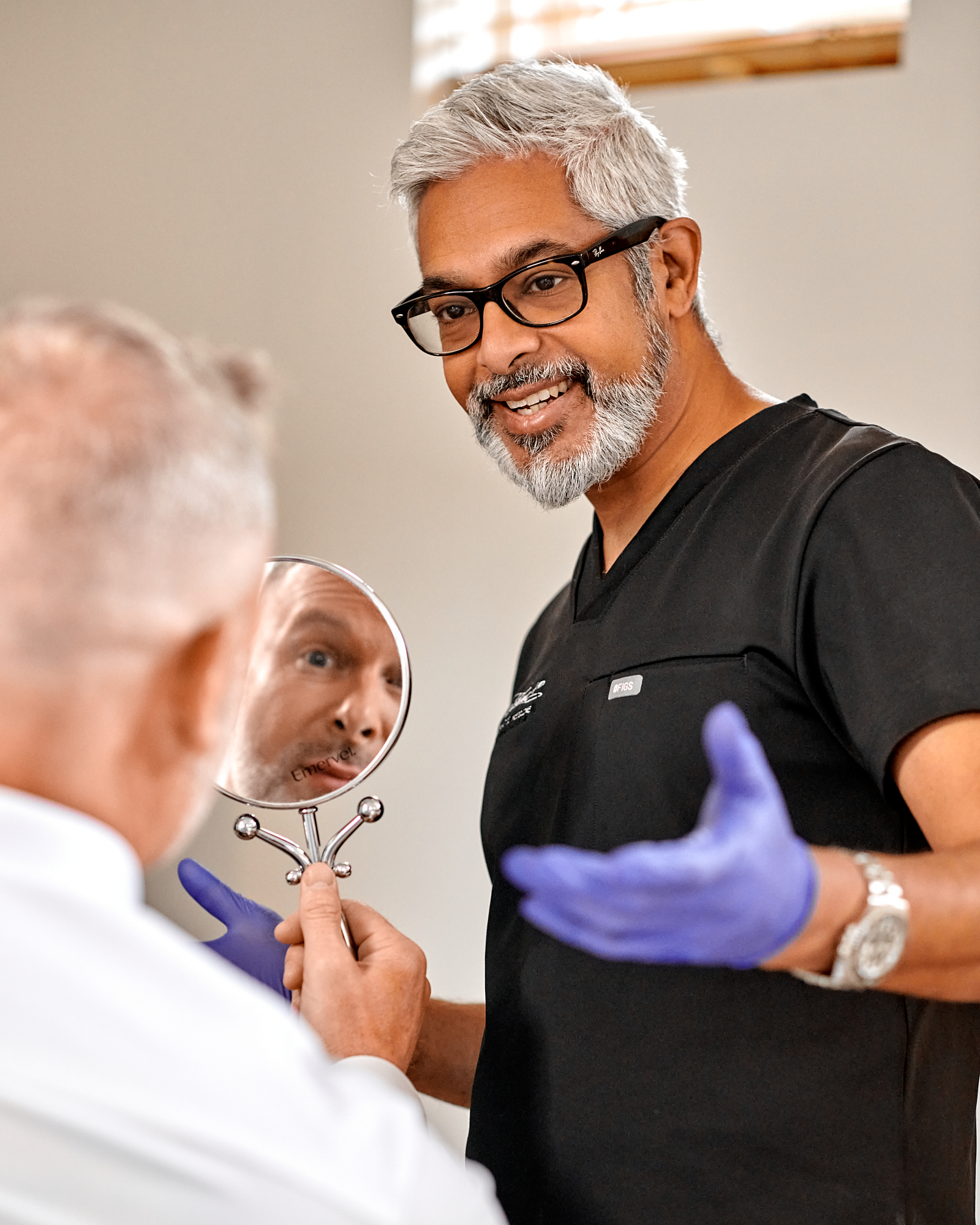
Dr Nyan Narine
« My role is not to recommend the same treatment to everyone. Every case has its own cause, stage and context. The consultation is first and foremost about understanding your individual situation. »
- ✓ Medical supervision
- ✓ Clinique M in Mont-Royal
- ✓ Personalized recommendations
- ✓ Realistic treatment expectations
FAQ
The absence of immediate change does not mean the treatment is ineffective. PRP is a slow-acting biological process that requires a rigorous framework and, above all, patience. The first signs, such as a reduction in hair loss, may appear within the first few weeks, but real densification generally takes three to six months to become apparent.
Early disappointment can also result from a late diagnosis. If treatment is initiated on areas where follicles are already scarred or at the terminal stage, the growth signal can no longer be received. A prior medical evaluation is therefore essential to confirm that your hair follicles are still viable and receptive to growth factors.
PRP is, by definition, an autologous product: it is your own biology that we concentrate and re-inject. As a result, the richness of your plasma in platelets and regenerative proteins is a direct reflection of your internal health, your age, and your lifestyle. If your biological “fuel” is less concentrated, the signal sent to your follicles will naturally be less powerful.
This intrinsic variability explains why two patients following the same protocol can achieve divergent results. To address this uncertainty, we offer bio-regenerative solutions such as exosomes. Unlike PRP, exosomes provide a standardized and consistent growth signal, independent of fluctuations in your own health, thereby ensuring a more predictable response.
Consistency is the driving force behind success in hair medicine. A standard initial protocol generally consists of three sessions spaced four to six weeks apart. This schedule helps initiate the biological response and stabilize the vascularization of the scalp. It is crucial to understand that the effect of PRP is cumulative: stopping the process too early is the most common cause of results deemed insufficient.
To maintain the density achieved, ongoing maintenance is essential. We generally recommend one to two follow-up sessions per year, depending on how your situation evolves. Without this regular follow-up, the benefits of the treatment gradually diminish, as PRP does not cure the genetic cause of hair loss, but compensates for its effects on a cyclical basis.
The choice depends on the desired objective: PRP acts as an amplifier of your own potential, while exosomes provide pure and highly concentrated signalling. PRP is excellent for early stages and prevention. Exosomes, often regarded as the next generation of treatments, are particularly effective for more advanced cases or for patients whose plasma quality is less than optimal.
In our practice, we often favour a complementary approach. Combining the autologous amplification of PRP with the standardized power of exosomes allows for maximum density gains. This multi-target approach reduces the uncertainty associated with individual biology and offers a far more robust and comprehensive hair restoration strategy.

Dr Nyan Narine
Medical Director of Clinique M, Dr. Nyan Narine (MD, FRCPC) specializes in internal medicine and bioregenerative medicine. He designs personalized protocols to treat hair loss.