

Skin Bio-Regeneration: Where Does Regenerative Skin Medicine Stand Today?
Natural collagen production begins to decline as early as your mid-twenties, gradually leading to a loss of firmness and the appearance of the first fine lines. You may notice that your usual skincare routine is no longer enough to maintain your skin’s elasticity and radiance.
Skin bio-regeneration has emerged as an advanced approach to reactivating cellular functions at a deeper level. Here, we explore how these innovative biological technologies can help support your skin’s structure from within.
Summary
- What is skin bio-regeneration?
- Why aestheticWhy aesthetic medicine is shifting toward regenerationmedicine is becoming regenerative
- The main bio-regenerative approaches today
- Exosomes: their role and benefits
- Bio-regeneration in 2026: where does the science stand?
- Face and scalp: bio-regeneration in practice
- The bio-regenerative approach at Clinique M
- Bio-regeneration: who is it for?
- Comparison of bio-regenerative treatments
- FAQ
What exactly is skin bio-regeneration?
Skin bio-regeneration supports the natural production of collagen and cellular energy through biological vectors such as exosomes or NAD+. Unlike treatments designed primarily to restore volume, it focuses on supporting tissue quality and promoting lasting radiance.
This approach marks a shift from traditional corrective methods by focusing on biological support rather than simply adding volume.
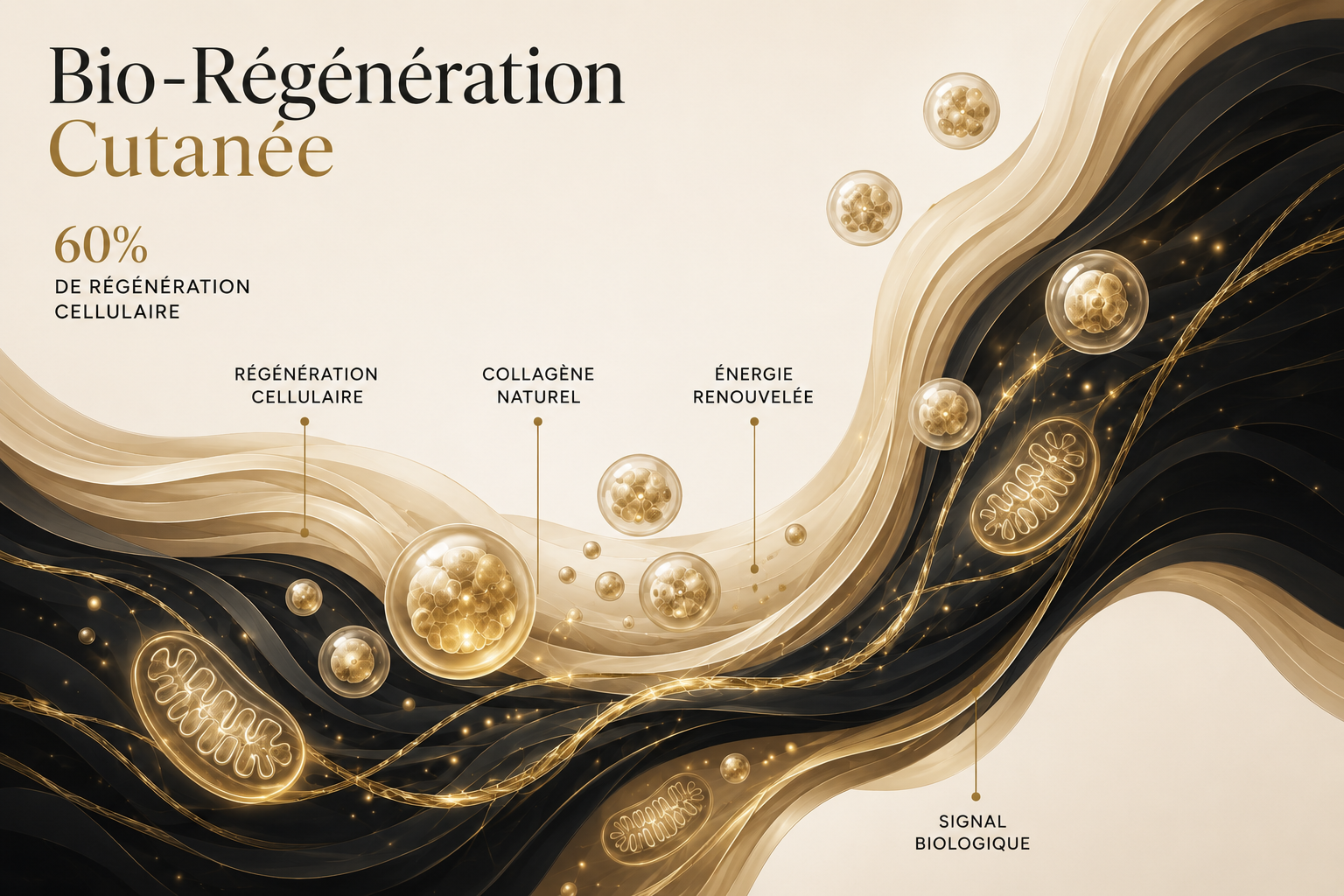
Supporting Skin Biology Rather Than Simply Restoring Volume
Aesthetic medicine is evolving. Fillers provide immediate volume, while neuromodulators relax targeted muscles. In contrast, bio-regenerative treatments support your skin’s natural cellular processes. The goal is an overall improvement in skin quality from within.
Rather than relying on permanent foreign materials, these treatments use biological signals to support your skin’s natural processes. Results develop gradually, helping preserve a natural appearance that respects your unique features.
This approach is designed to support gradual, long-term improvements in skin quality. Targeted stimulation of fibroblasts helps support collagen production and tissue renewal. This is at the core of our bio-regenerative approach at Clinique M.
Why Bio-Regeneration Marks a Turning Point in Aesthetic Medicine
Beyond new techniques, this reflects a genuine shift in how we approach aesthetic medicine and in what patients increasingly expect from their treatments.
Evolving expectations and approaches
Today, patients increasingly favour natural-looking, preventive approaches. Expectations are shifting away from frozen-looking results and toward optimal skin quality, healthy, natural and, above all, long-lasting.
This shift places greater emphasis on long-term skin health. Rather than focusing solely on individual wrinkles, the goal is to support the quality and vitality of your skin over time.
Aesthetic medicine is adapting to meet this growing demand for subtlety. Traditional approaches remain valuable, but they can now be complemented by emerging biological technologies. This represents a natural evolution in aesthetic medicine.
The shift from corrective aesthetics toward skin bio-regeneration reflects a broader evolution in our approach to treatment.
Today’s Main Bio-Regenerative Approaches and How They Differ
To choose the right treatment, it is essential to understand the different biological mechanisms targeted by each approach.
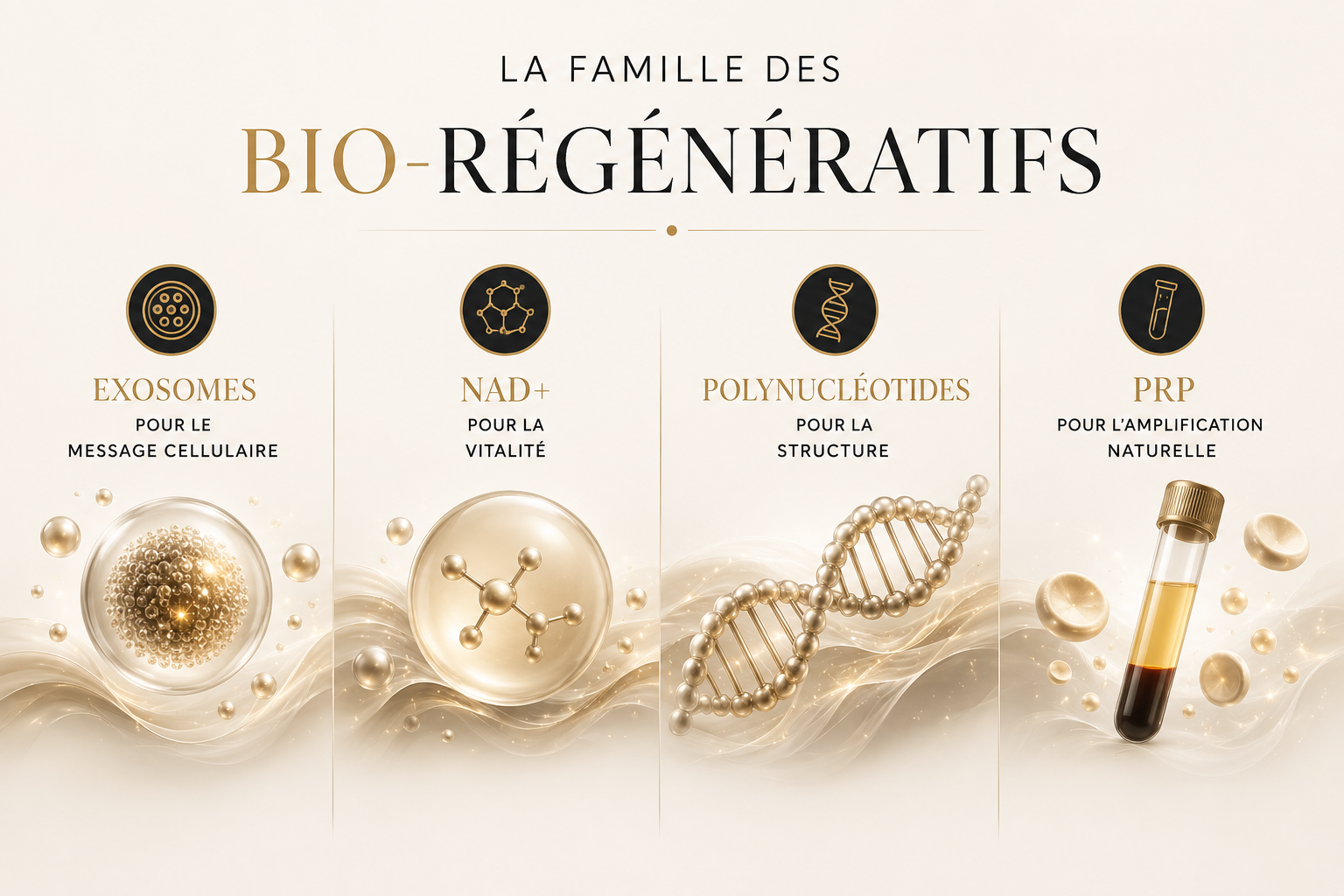
Overview of the Main Bio-Regenerative Approaches
Exosomes support signalling between cells. NAD+ plays an essential role in cellular energy production. Polynucleotides support the extracellular matrix and skin hydration, while PRP uses growth factors derived from your own blood.
- Exosomes for cellular messaging.
- NAD+ for cellular energy.
- Polynucleotides for structure.
- PRP for autologous growth factors.
These approaches can be complementary rather than competing. The most appropriate treatment depends on a thorough assessment. Exosome-based skin treatments offer a targeted approach to cellular signalling.
These treatments should not be confused with conventional collagen biostimulators used in aesthetic medicine. Their biological mechanisms differ, with the focus here placed primarily on cellular signalling, repair and function.
Exosomes: Why They’re Changing the Approach to Skin Regeneration
Among these innovations, exosomes are attracting particular interest because of their role in intercellular communication.
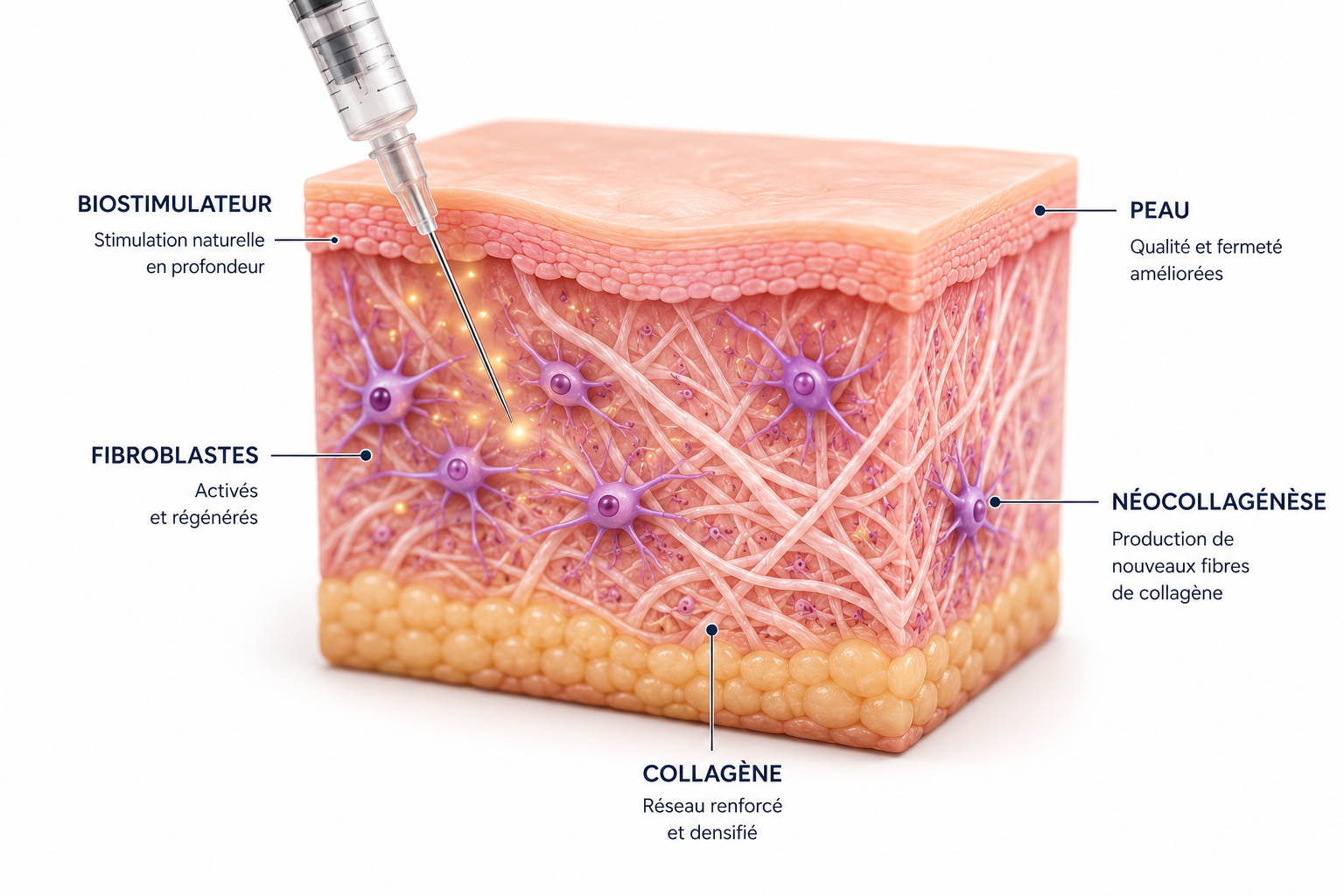
A closer look at exosomes
These extracellular vesicles carry signalling molecules involved in cell-to-cell communication. They may help support processes associated with collagen and elastin production. Unlike PRP, exosome-based formulations can provide a more standardized biological input.
One way to distinguish these approaches is by how they interact with biological processes. PRP uses your own platelet-derived growth factors, while exosomes act primarily as carriers of cellular signals.
Exosome-based skin treatments in Montreal are generating growing interest as regenerative medicine continues to evolve. Individual results can vary depending on the patient, treatment protocol and skin condition.
Clinical data are promising, but research continues to evolve. Optimal protocols are still being refined, making scientific nuance essential when discussing these treatments.
Where Does Bio-Regeneration Really Stand in 2026?
As interest in regenerative technologies continues to grow, it is essential to distinguish established scientific evidence from marketing claims.
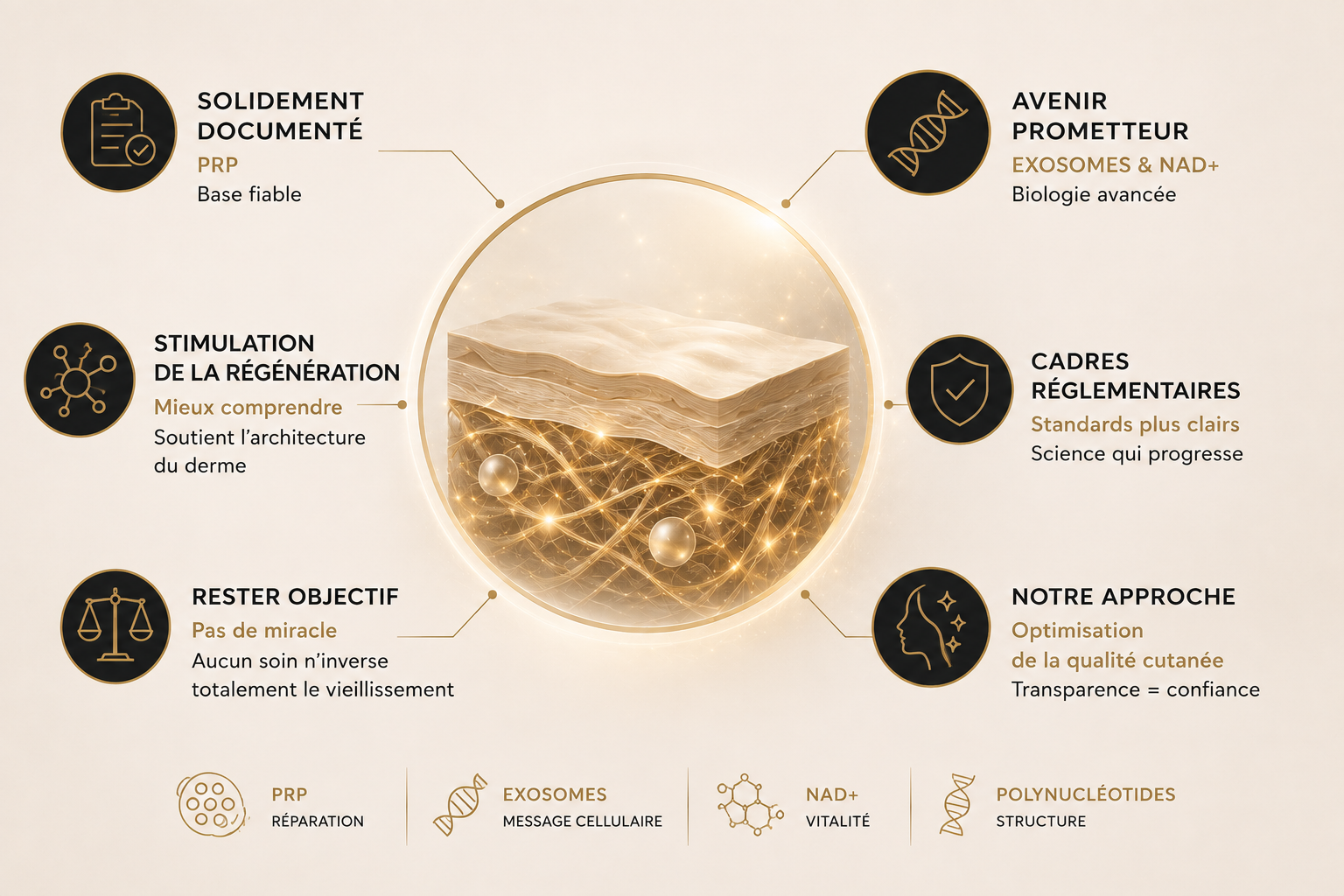
An Evidence-Based Look at the Field’s Maturity
The principles behind collagen stimulation are well documented, and PRP has one of the longest clinical track records among regenerative approaches. It is widely studied for its role in supporting tissue repair, while research across the field continues to advance.
Current research continues to improve our understanding of the biological mechanisms involved in tissue regeneration and dermal support.
Exosomes and NAD+ represent promising areas of ongoing research in regenerative medicine. Scientific knowledge and regulatory frameworks continue to evolve. These approaches are grounded in biology, not in promises of miraculous results.
It is important to remain cautious about excessive claims. No treatment can completely reverse ageing. Clear and realistic communication about expected outcomes is essential to responsible medical practice.
We prefer to focus on optimising skin quality rather than promising miracles. Transparency is fundamental to building trust.
From Face to Scalp: Applying the Same Regenerative Principles
This regenerative approach extends beyond facial skin and can also be applied to other tissues, including the scalp.
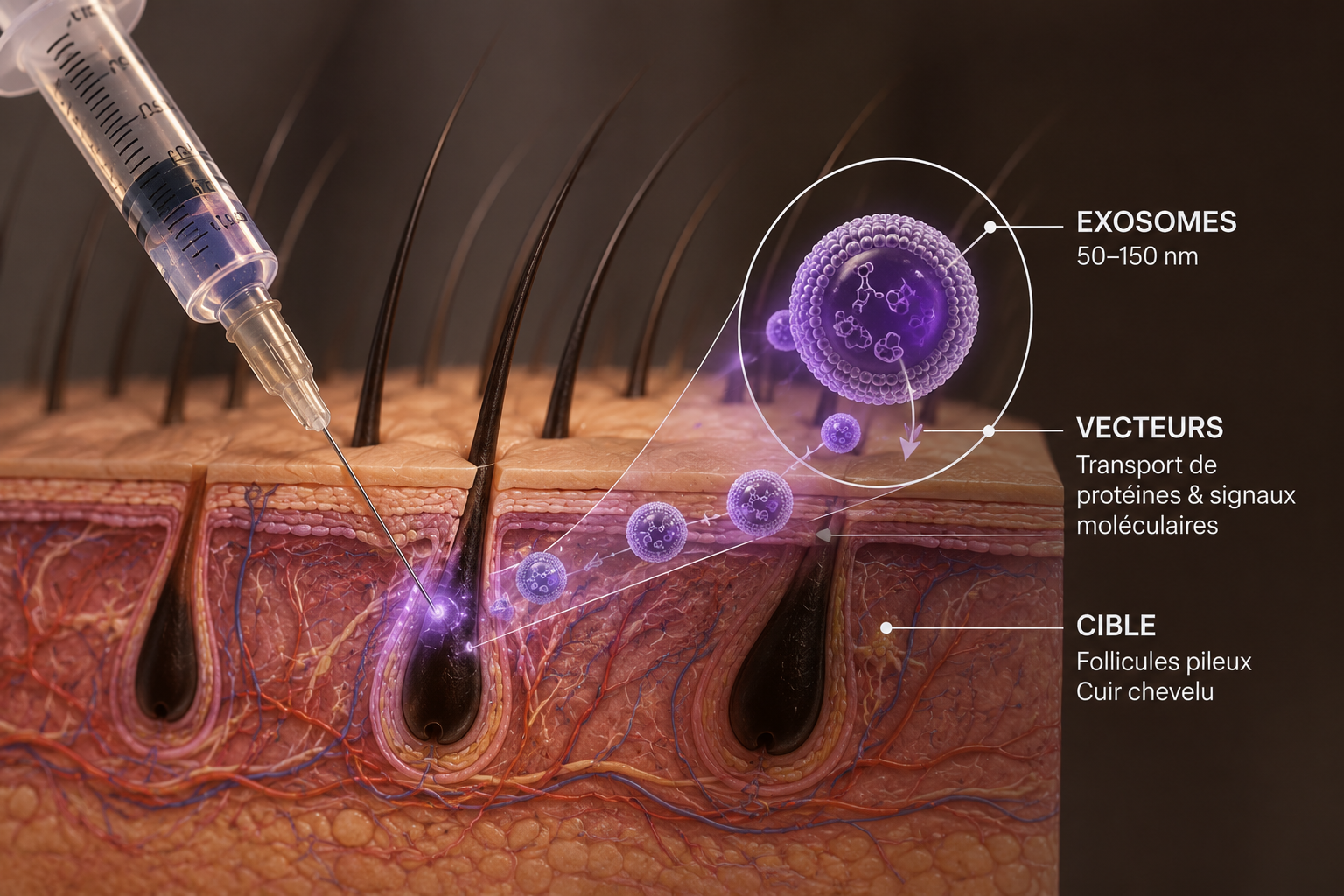
Applying Regenerative Principles to the Scalp
The scalp can also benefit from regenerative signalling. Supporting hair follicle function requires a targeted biological approach. PRP and exosome-based treatments are two approaches used in this context.
Dr. Narine applies this regenerative approach to scalp and hair treatments at Clinique M. Using similar biological principles across skin and scalp care allows for a more comprehensive and consistent approach to regenerative medicine.
Our bio-regenerative hair protocols in Montreal reflect this same philosophy: supporting scalp and follicle health through carefully selected regenerative approaches. Hair health begins at the root.
Using biological signals to support hair density and follicle function represents a growing area of regenerative medicine. Scientific rigour remains essential as these approaches continue to evolve.
Bio-Regeneration in Practice: The Clinique M Approach
Turning scientific advances into meaningful clinical outcomes requires a rigorous, individualized approach.

Our Methodology and Expertise at Clinique M
Everything begins with an in-depth assessment of your skin. We then select the approach best suited to your needs and profile. Whether the treatment involves exosomes or NAD+, each protocol is personalized. Appropriate follow-up helps us monitor your progress and optimize your treatment plan.
Our Exo-NAD treatment in Montreal reflects our commitment to a personalized regenerative approach. Dr. Narine has been refining these protocols over several years, combining clinical experience with evolving regenerative science.
When appropriate, regenerative treatments can also be combined with neuromodulators to address different aspects of facial ageing. Combined protocols can provide a more comprehensive treatment approach.
Our approach is not based on following short-lived trends. We integrate emerging research and clinical evidence to continually evaluate and refine our treatment protocols.
Is bio-regeneration right for you?
Before beginning any treatment protocol, it is essential to determine whether your expectations align with what these treatments can realistically achieve.

Ideal Candidates and Treatment Limitations
Ideal candidates are typically looking to improve skin firmness, radiance and overall quality. Bio-regenerative treatments may also be incorporated into a preventive approach and can complement other aesthetic treatments.
It is equally important to understand the limitations of these treatments. They are not a substitute for a surgical facelift and cannot correct significant skin laxity. Results develop gradually and require realistic expectations.
A medical evaluation is required to identify potential contraindications and determine the most appropriate treatment approach. Each person may respond differently to biological treatments, which is why exosome skin treatments at Clinique M are personalized to each patient.
Results cannot be guaranteed and vary from one patient to another. A consultation allows us to assess your individual needs and determine whether treatment is appropriate for you.
Bio-Regenerative Treatments at a Glance
Vesicles that support cellular signalling and repair processes.
Intercellular communication.
Supports mitochondrial energy production.
Cellular energy and metabolic support.
Support fibroblast activity and skin hydration.
Skin density.
Delivers platelet-derived growth factors.
Uses the patient’s own blood-derived components.
This table summarizes some of the main approaches used in modern bio-regeneration. Each technique has its own characteristics and potential applications. Understanding these differences supports informed decision-making.
Exosomes support cellular signalling, while PRP relies on your own platelet-derived growth factors. NAD+ is involved in cellular energy metabolism, while polynucleotides support the extracellular matrix and overall skin quality.
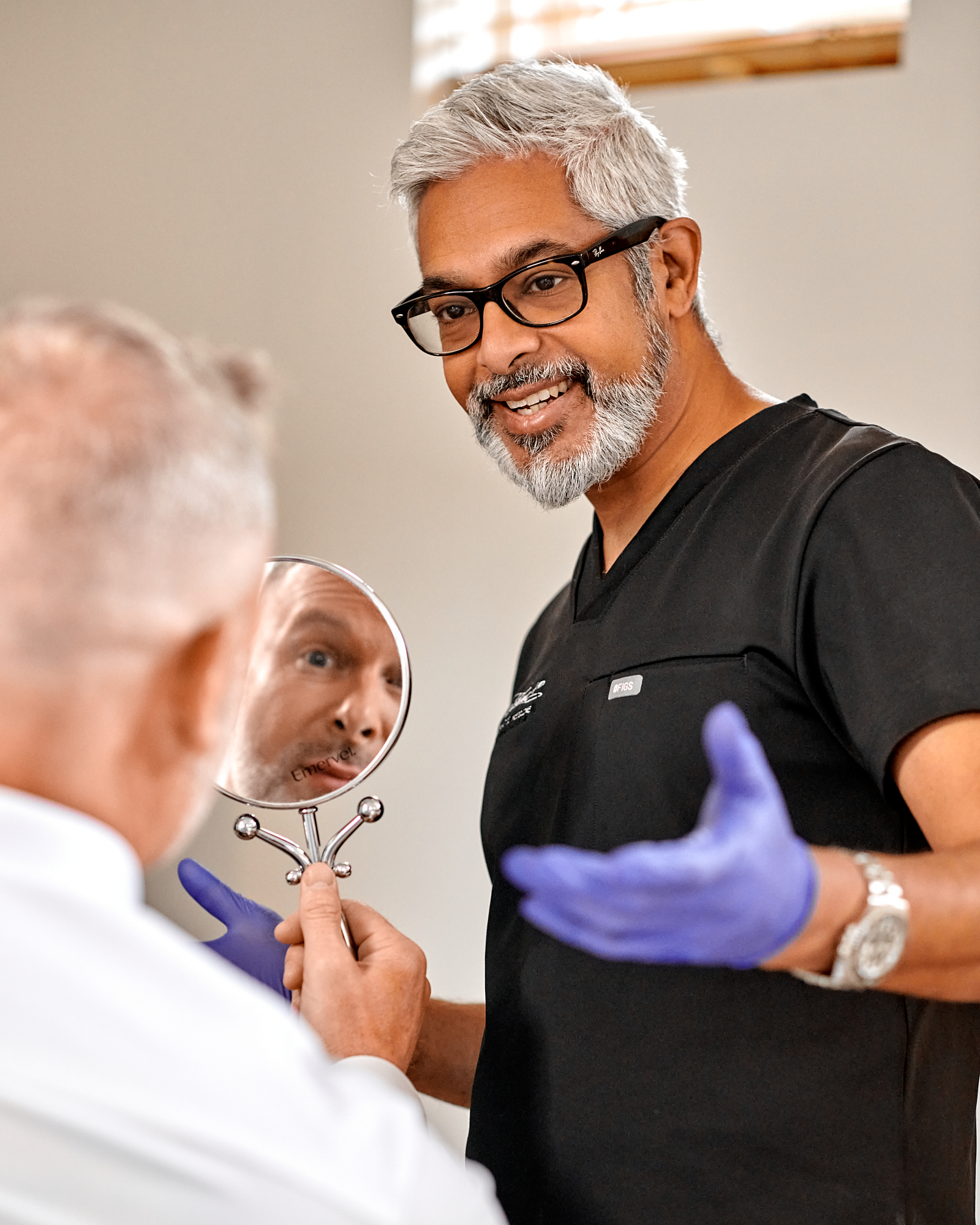
Dr Nyan Narine
'' Bio-regeneration aims to support the skin’s natural mechanisms to improve its quality, vitality and resilience. Every treatment protocol should be tailored to your skin and your individual goals. ''
- ✓ Medical supervision
- ✓ Clinique M at Mont-Royal
- ✓ Personalized recommendations
- ✓ Natural and progressive results
FAQ
Cutaneous bio-regeneration is a cutting-edge medical approach that prioritizes stimulating your body’s natural repair mechanisms. Unlike traditional methods that simply fill volumes or freeze muscles, this discipline reactivates the production of collagen, elastin, and deep cellular energy.
The goal is to restore the quality, strength, and resilience of your tissues from within. At Clinique M, we use biological vectors to achieve progressive, harmonious, and perfectly natural results, without ever altering the features of your face.
PRP (Platelet-Rich Plasma) uses your own growth factors to amplify your body’s existing repair capabilities. It is a reliable, autologous foundation with significant clinical history in tissue regeneration.
Exosomes, on the other hand, act as standardized biological messengers. These nanovesicles carry precise signals to deliver new instructions to skin cells, particularly fibroblasts. Where PRP amplifies, exosomes signal with remarkable precision, ensuring results that are often more predictable and reproducible.
Absolutely. The scalp is living tissue that responds to the same biological signals as facial skin. Under Dr. Narine’s expertise, we apply the principles of bio-regeneration to support and awaken active hair follicles.
The use of PRP or exosomes at the scalp level allows us to increase hair density by improving the biological environment at the root. This comprehensive approach ensures complete scientific consistency in managing your beauty and health capital.
NAD⁺ is a vital coenzyme that acts as the fuel for your cells’ energy centres, the mitochondria. By revitalizing energy metabolism, it supports DNA repair and cellular renewal — processes that naturally slow down with age.
Integrated into our exclusive protocols such as the Exo-NAD treatment, it helps combat dull complexion and loss of radiance at the source. It is a true skin longevity strategy that strengthens your skin’s resistance to external aggressors and oxidative stress.
Polynucleotides are molecules derived from DNA that act on the very structure of the extracellular matrix. Unlike traditional hyaluronic acid, they do not provide artificial volume but instead work on tissue quality by hydrating and redensifying the dermis at a deep level.
They are particularly effective for treating delicate areas such as the eye contour, neck, and décolletage. Their action smooths fine lines and improves elasticity without the risk of oedema, offering an ideal solution for subtle and lasting revitalisation.
Bio-regeneration offers a visible improvement in skin firmness, radiance, and texture. However, this is not a miracle treatment nor a surgical facelift; these treatments will not correct significant skin laxity. The benefits are gradual and unfold in line with your body’s natural biological timeline.
Every skin type responds differently, which is why a prior medical evaluation at Clinique M is essential. We personalise each protocol according to your profile to ensure optimal safety and realistic expectations. Here are the main observed benefits:
- Firmer, redensified skin
- Restored radiance
- Active prevention of ageing
- Improved hair density

Dr Nyan Narine
Medical Director of Clinique M, Dr. Nyan Narine (MD, FRCPC) specializes in internal medicine and bioregenerative medicine. He designs personalized protocols to treat hair loss.